
Why table service needs a better EPOS setup
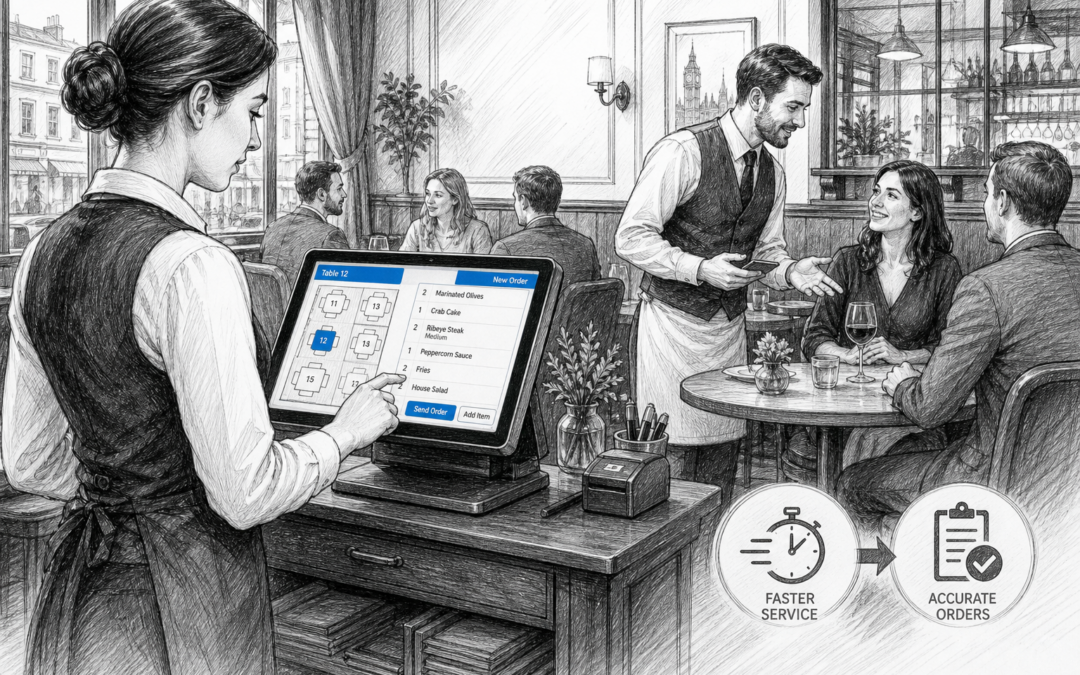
In a busy restaurant, table service is all about timing. Orders need to reach the kitchen clearly, drinks need to arrive quickly, and guests should not feel like they are waiting longer than necessary. When service is slow or details are missed, the whole dining experience suffers.
That is where the right EPOS system can make a real difference. A good table service setup helps front-of-house and kitchen teams work together more smoothly, which can improve order accuracy, reduce delays and create a calmer working environment for staff.
For UK restaurants, cafés and hospitality venues, this is not about adding complexity. It is about making everyday service easier to manage, especially during lunch peaks, evening rushes and weekend bookings.
What table service EPOS should help with
Table service comes with a few common pressures: staff may be taking orders in a hurry, guests may want changes to dishes, and payments often need to be split or handled at the table. If these tasks are managed through a basic till or by passing notes around, mistakes can creep in.
A more suitable EPOS system can help staff:
- send orders directly to the kitchen or bar
- record table numbers and course timing more clearly
- handle amendments and special requests accurately
- split bills without extra confusion
- take payment at the table or at the counter with fewer delays
These are practical improvements, but they can have a noticeable impact on the pace of service and how confident staff feel during a busy shift.
How EPOS improves order accuracy
Clearer communication between front of house and kitchen
One of the biggest benefits of table service EPOS is reducing the risk of misunderstood orders. Instead of handwriting notes or relying on memory, staff can enter the order once and send it straight to the right place.
This matters especially when customers ask for changes such as no onions, sauce on the side, allergen notes or different cooking preferences. Clear digital order entry helps minimise mistakes and keeps the kitchen working from accurate information.
Fewer delays caused by manual re-entry
When orders are written down first and typed in later, there is more room for error and more time wasted. Direct order entry saves steps, which can help serve more tables with less back-and-forth.
It also makes it easier for staff to keep track of what has been sent, what is still pending and which table needs attention next. That level of visibility is especially useful in restaurants with busy lunch periods or high table turnover.
Helping staff serve more smoothly
Good table service is not just about speed. It is also about confidence. When staff know the EPOS system is straightforward, they can focus more on guests and less on remembering details.
That can be especially helpful for seasonal staff or new starters. A sensible restaurant EPOS setup can make training easier because the same system is used for taking orders, processing payments and checking table details. Less switching between different tools usually means less room for error.
For independent restaurants and hospitality businesses, this kind of consistency can make day-to-day service feel more manageable, even when the venue is full.
Why payment speed matters in table service
Delays do not only happen in the kitchen. They can also happen at the end of the meal, when guests are ready to pay. A table service EPOS system can help staff split bills more easily, take card payments without delay and close tables faster so the next guests can be seated.
This does not just improve convenience. It can also help with turnover during busy periods, particularly in casual dining venues, family restaurants and cafés where many customers want to pay quickly and move on.
When the payment process is simple, service feels more polished and the whole visit is more likely to end on a positive note.
Why local EPOS support still matters
For UK restaurants, having software that works properly is important, but so is having support that understands the realities of local hospitality businesses. If there is a problem during service, you usually need a helpful response quickly, not a generic answer from someone who does not understand your setup.
This is one reason many independent venues prefer a UK-based EPOS provider. Local support can be more relevant when you need help with table service workflows, payment devices, printer setup or day-to-day questions from staff. In a restaurant, even a small issue can affect the guest experience, so reliable support still matters.
Samtouch is designed as a practical UK EPOS option for retail and hospitality businesses, including restaurants that want a simple, dependable way to manage service. If you are already using a basic till or an inflexible system, it may be worth reviewing whether your current setup really supports the way your team works.
Choosing a table service system that fits your restaurant
The best EPOS is not the one with the most features. It is the one that suits your team, your venue and your service style. A good table service system should be easy to learn, easy to use under pressure and flexible enough to support everyday restaurant tasks.
Look for a setup that helps you improve accuracy, speed up ordering and make payment handling less stressful. If it also gives you clearer reporting and better visibility of service patterns, that can be an added advantage when planning staffing and busy periods.
For many UK hospitality businesses, these practical improvements are what make EPOS worth investing in.
Need a practical EPOS for table service?
If you are looking for a UK POS/EPOS solution that supports table service in a straightforward way, take a look at Samtouch at www.samtouch.co.uk. For more information, Contact YCR Distribution at sales@samtouch.co.uk 01924 438238.
Recent Comments