
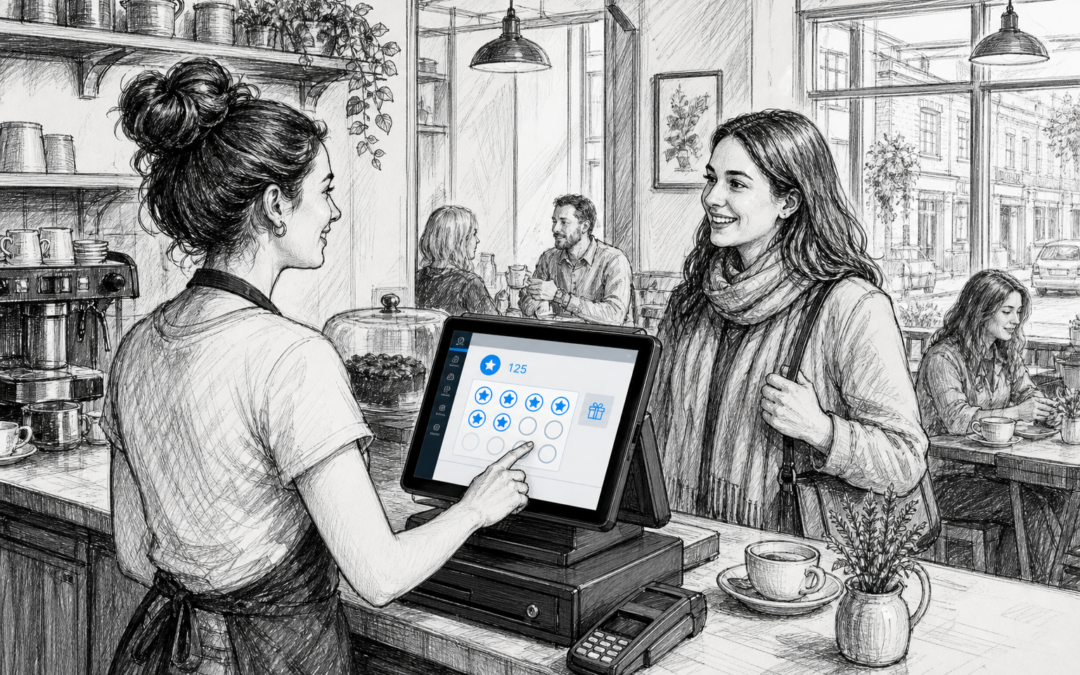
For cafés and restaurants across the UK, winning a first visit is only part of the challenge. The real value often lies in encouraging customers to come back, spend a little more, and choose your business over the one down the road. That is where customer loyalty comes in.
A well-planned loyalty approach does not need to be complicated. In fact, the best systems are often the simplest ones for staff to use during a busy service. With the right EPOS setup, you can reward regular customers, track repeat visits and make loyalty feel like a natural part of the experience rather than an extra task.
For independent hospitality businesses, this can make a real difference. Whether you run a neighbourhood café, a lunch spot, a busy restaurant or a takeaway counter, loyalty is often about small wins that build over time.
Why customer loyalty matters in hospitality
Repeat customers are valuable because they already know your menu, your standards and your location. They are also more likely to recommend you to others. While attracting new trade always matters, a steady base of returning customers can help smooth out quiet periods and support more predictable trading.
Loyalty is also closely tied to customer experience. If someone feels recognised and rewarded, they are more likely to return. That might mean earning a digital stamp, collecting points, or receiving an offer after a certain number of visits. The exact method matters less than making it easy to understand and easy to use.
What customers expect from loyalty schemes
Today’s customers are used to convenience. Many will not want to carry paper cards that get lost in a coat pocket or handbag. Others prefer to see their rewards linked directly to their purchases, without needing to keep track manually.
That is why digital loyalty tools can work well in hospitality. They can reduce confusion, make the process quicker at the till, and help staff stay focused on service rather than paperwork.
How EPOS software supports loyalty at the till
An EPOS system can make loyalty easier to manage in day-to-day trading. Instead of asking staff to remember separate rules or manually note customer rewards, the process is built into the sale. This can be especially useful during morning rushes, lunchtime peaks or weekend service when speed matters.
For example, a café may want to offer a free hot drink after a set number of purchases. A restaurant may prefer targeted offers for regular diners. A takeaway might use loyalty to encourage customers to return for another order rather than going to a competitor. In each case, the EPOS helps keep the process organised.
Practical loyalty features to look for
If you are choosing EPOS software for loyalty, useful features may include:
- simple customer profiles at the till
- points or stamp-style reward tracking
- discounts linked to repeat visits
- clear sale summaries for staff to follow
- reporting to see how often customers return
These functions do not need to be complicated to be effective. In fact, simpler systems are often easier for staff to remember and quicker for customers to use.
Why local EPOS support still matters
For UK cafés and restaurants, local support can make a real difference when you are busy and need help quickly. A loyalty scheme may sound straightforward on paper, but the way it works at the till needs to suit your team, your trading style and your customers.
Local EPOS support can help with setup, staff training and day-to-day questions in a way that feels practical and responsive. That matters if you are changing a menu, running a seasonal offer or adjusting how your loyalty scheme works. It is often easier to get useful guidance from a UK-based provider that understands hospitality service patterns, local business pressures and the way independent venues operate.
For many operators, that is one reason to choose a system like Samtouch. It is designed for UK retail and hospitality businesses that need a straightforward EPOS solution rather than a complicated setup. You can read more at www.samtouch.co.uk.
Keeping loyalty practical for busy teams
Loyalty should support service, not slow it down. If a scheme takes too long to explain or use, staff may avoid mentioning it and customers may lose interest. That is why it helps to keep the process visible, consistent and easy to complete during a normal transaction.
Training is also important. Staff should know when to offer a reward, how to apply a discount or how to explain the scheme in a friendly, concise way. With the right setup, loyalty can become part of everyday conversation at the till rather than a separate admin task.
Using reporting to understand what works
Beyond the customer-facing side, EPOS reporting can help you see whether your loyalty activity is doing what you expect. You may want to check how often reward holders return, which offers are used most often, or whether certain times of day see more repeat trade.
This kind of information can help you adjust offers over time. For example, you might find that a weekday lunchtime reward works better than a weekend one, or that customers respond more strongly to a free item than a percentage discount. Small changes like these can improve results without making the scheme more complicated.
A simple way to build repeat business
Customer loyalty does not need to be flashy. For cafés and restaurants, the most effective schemes are usually the ones customers understand instantly and staff can use without delay. When loyalty is built into your EPOS system, it becomes easier to offer a better experience, encourage repeat visits and keep regular customers coming back.
If you are reviewing your current setup and want a practical UK EPOS option, Samtouch may be worth a look. Contact YCR Distribution at sales@samtouch.co.uk 01924 438238, or visit www.samtouch.co.uk to explore more.
Recent Comments