
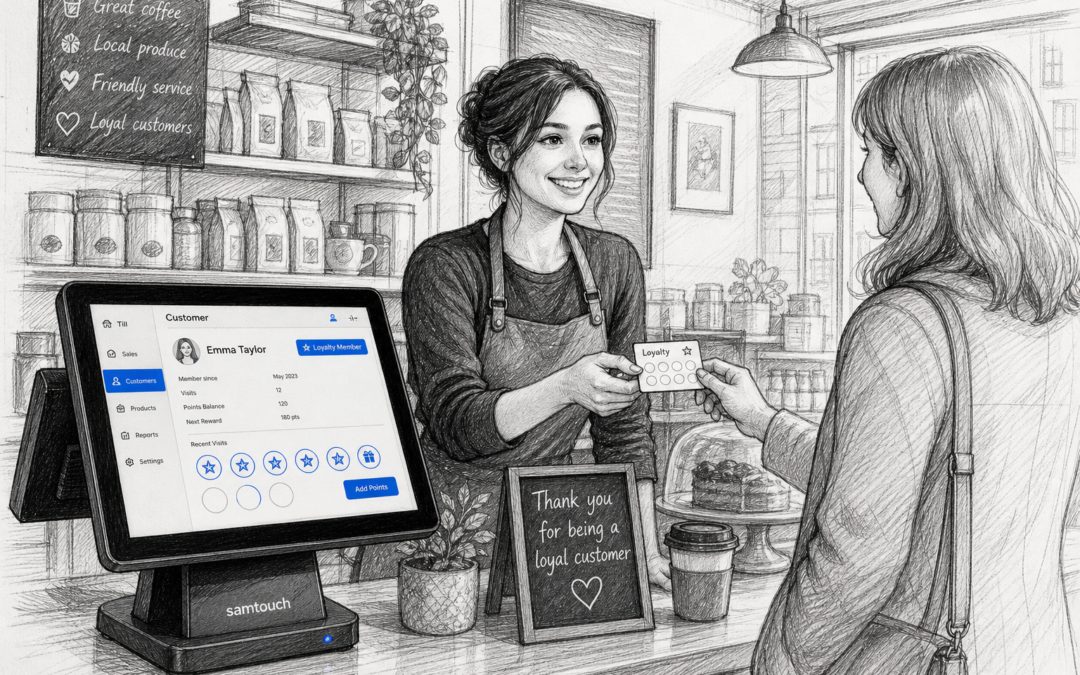
For independent shops, cafés, restaurants and takeaways, getting customers through the door once is only part of the challenge. The bigger opportunity is encouraging them to come back. That is where customer loyalty becomes so valuable.
A well-chosen EPOS system can do more than take payments. It can help businesses track repeat visits, apply rewards consistently, and make loyalty offers easier for staff to manage at the till. For busy UK businesses, that can mean a smoother experience for both customers and teams.
Why customer loyalty is worth focusing on
Compared with constantly chasing new trade, loyalty is often a more reliable way to support steady sales. Customers who already know your business are more likely to return, spend a little more, and recommend you to others.
That matters across retail and hospitality. A garden centre customer may return for seasonal purchases. A café regular may visit several times a week. A pub customer may choose the same venue because the service feels familiar. In each case, loyalty is not just about discounts; it is about making the business feel valued and easy to return to.
How EPOS software supports loyalty programmes
Many businesses still rely on paper cards, memory, or ad hoc offers. Those methods can work for a while, but they are difficult to manage consistently. EPOS software can bring loyalty activity into the same system you use for sales, which makes the process clearer and less dependent on staff remembering every detail.
1. Keep rewards consistent at the till
When loyalty rules are built into the EPOS, staff can apply them in the same way each time. That helps avoid confusion and creates a more professional customer experience. Whether you offer points, stamps, spend-and-save rewards or member pricing, the till can help keep it straightforward.
2. Make repeat visits easier to recognise
Even simple customer records can help you see who is buying regularly. For a local café, that might support a coffee club or regular breakfast offer. For a shop, it may help identify customers who respond well to certain promotions. The aim is not to overcomplicate things, but to make customer relationships more manageable.
3. Link loyalty to promotions and special offers
Loyalty works best when it feels relevant. EPOS software can help you run targeted offers at key times of year, such as a lunchtime deal in a café, a seasonal reward in a gift shop, or a return-visit offer after a first purchase. This gives businesses a practical way to encourage repeat custom without relying on guesswork.
What UK customers expect from loyalty schemes
Shoppers and diners in the UK are used to simple, quick transactions. If a scheme is too slow, too vague, or too hard to explain, customers may ignore it. That is why loyalty works best when it is easy for staff to describe and easy for customers to understand.
Good EPOS software helps here by keeping the process clear. Staff can see when a customer qualifies for a reward, apply it quickly, and continue the sale without holding up the queue or service flow. That is especially useful in cafés, bars and takeaways where speed matters.
Loyalty in retail and hospitality: practical examples
Different sectors use loyalty in different ways, but the principle remains the same: make it easy to return.
- Retail shops: encourage repeat purchases with member offers or return-customer discounts.
- Cafés: support frequent visits with coffee rewards or lunchtime incentives.
- Restaurants: build goodwill with customer recognition and occasional return-voucher offers.
- Bars and pubs: encourage regular trade with simple promotions for repeat visits.
- Takeaways: keep customers coming back with easy-to-redeem rewards and clear order records.
The best approach depends on your business type, your customer base and how busy your team is on a typical day.
Why local EPOS support still matters
For UK businesses, local support can make loyalty features much easier to use in practice. If you are setting up reward rules, training new staff, or adapting your system before a busy period, quick access to help can save time and reduce mistakes.
This matters because loyalty should feel simple, not technical. When support is responsive and understands the pressures of UK retail and hospitality, it is easier to get the system working in a way that suits your day-to-day operations. That is one reason many businesses prefer a practical UK EPOS partner rather than a generic setup that leaves them to work things out alone.
Using loyalty as part of a wider service strategy
Loyalty should sit alongside good service, not replace it. Fast payments, clear pricing, helpful staff and a smooth customer journey all contribute to repeat business. EPOS software can support these areas by keeping sales organised and helping the front counter or serving team work more efficiently.
That is where Samtouch can be a useful option for UK businesses looking for a straightforward EPOS solution. It is designed for retail and hospitality operators who want practical tools without unnecessary complexity. You can find out more at www.samtouch.co.uk.
Final thoughts
Customer loyalty works best when it is simple, consistent and relevant to the way your business actually operates. Whether you run a shop, café, restaurant, pub or takeaway, the right EPOS system can help you turn repeat visits into a more manageable part of everyday trading.
If you are looking for a practical UK EPOS solution, contact YCR Distribution at sales@samtouch.co.uk 01924 438238.
Visit www.samtouch.co.uk to learn more about Samtouch EPOS software.
Recent Comments